

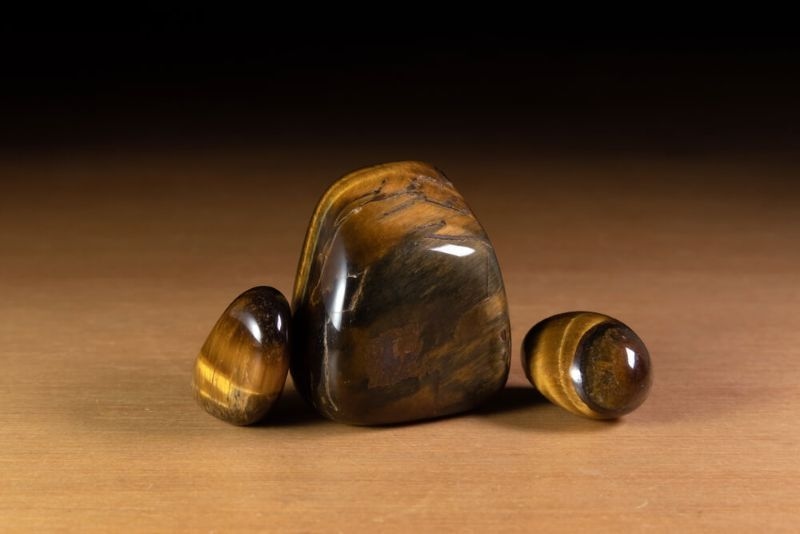
Gemstones have always had that hint of magic about them. Some catch the light and dazzle you, others seem to glow from the inside out. But then there’s a special kind—the kind that almost feels alive when you look at them. A streak of light slides across the surface, just like a cat’s eye following your every move. That’s chatoyancy, and it’s what gives these gems their unmistakable charm.
That shimmering band you see? That’s the chatoyant effect. Collectors, jewelers, people who just love pretty rocks—they’ve all been drawn to it for centuries. Sure, they’re beautiful, but there’s more going on here. Chatoyant gems come with layers of meaning: protection, intuition, even a hint of the mystical.
So, what’s the deal with chatoyancy? Why do people hunt down these stones? What types are out there, and if you’re thinking of buying one, what should you look for? Let’s break it down.
A lot of gemstones sparkle. Some just glow softly. Chatoyant gems? They do their own thing.
When you tilt them in the light, a single bright band zips across the stone—just like a cat’s eye staring back at you. It’s not flashy in the usual way, but it’s mesmerizing. That “living” line of light is the soul of these stones.
Let’s keep it simple. Chatoyancy is when you get a shiny, moving band of light on a gem’s surface. It happens because of tiny, parallel fibers or needle-like things trapped inside the stone.
When the light hits just right, it bounces off those fibers and creates a concentrated beam—a “cat’s eye” that seems to follow you.
Picture sunlight sneaking through window blinds, making a narrow stripe across the floor. Chatoyant stones do that, on a tiny, beautiful scale.
It looks best when the stone is cut into a smooth, rounded shape, called a cabochon. No sparkly facets—just a soft dome that lets the light do its thing.
There’s something hypnotic about it. Tilt the stone, and that line glides across the surface, like it’s alive. People often say it’s a lot like seeing a cat catch a reflection in the dark. The comparison fits.
That mysterious look has given chatoyant gems a deep connection to intuition and protection. People have worn them as good luck charms, amulets—little reminders to stay sharp and safe.
Suggested Reading: What is Tanzanite, Benefits & How it Differs from Amethyst?
Gems always seem to pick up stories along the way, and chatoyant stones are packed with them.
For centuries, folks believed these stones were watchful protectors. That moving band of light? It was like having a tiny, alert eye on your side.
Old beliefs said wearing a chatoyant stone would keep you safe, help you see hidden threats, or even bring luck and fortune your way.
And sure, maybe you don’t believe the old stories, but there’s something comforting about the idea.
A lot of people in the crystal community say these stones can help you stay balanced, clear-headed, and calm. They’re supposed to boost focus and protect against stress.
For example, cat’s eye chrysoberyl gets linked to confidence and good decision-making. There’s no hard science behind these claims, but that hasn’t stopped fans from keeping a favorite stone close, or wearing it as jewelry just to feel a little more grounded.
Don't Miss: Where to Find Lapis Lazuli & How Can You Style Its Jewelry?
You won’t find chatoyancy in every gemstone—it’s got to have the right stuff inside. But some are famous for it.
Here are some of the most recognized Chatoyant Gems.
| Gemstone | Key Features | Typical Colors |
|---|---|---|
| Chrysoberyl Cat’s Eye | Strong and sharp cat’s eye effect | Honey, greenish yellow |
| Tiger’s Eye | Fibrous quartz with a silky band | Golden brown |
| Cat’s Eye Tourmaline | Rare and highly collectible | Green, pink, blue |
| Cat’s Eye Aquamarine | Subtle chatoyancy | Pale blue |
| Cat’s Eye Apatite | Bright band with vivid colors | Blue, green |
The chrysoberyl cat’s eye really sets the bar—it’s the most dramatic version, with a super sharp, bright streak.
Some stones get chatoyancy under special conditions, like cat’s eye sapphire, spinel, or garnet. These are tough to find, so collectors go nuts for them, especially if that “eye” is clean and stands out.
Cutting makes all the difference. If the shape’s not right, you barely see the effect—so almost all chatoyant gems get shaped as cabochons (smooth domes with flat bottoms).
This lets the light reflect in just the right way. Faceted stones scatter the effect, but a round dome centers the “eye” perfectly. Skilled cutters pay close attention so the final gem puts on the best show.
Gemologists look for a few things:
The best stones almost seem to glow when you tilt them in the light.
Also Read: Gemstone Gifts: Timeless Ideas for Any Special Occasion
Chatoyant gems are different. They don’t just sit there and sparkle—they shift, they play with the light, they feel alive. That single, moving band gives each stone a unique look, full of depth and intrigue. And beyond just looking cool, these stones come with stories, traditions, and sometimes even a sense of calm.
Whether you love how they look, the meaning behind them, or just the thrill of finding something rare, chatoyant gems always stand out. Once you see that gliding line for yourself, it’s easy to see why people keep coming back for more.
It’s that eye-like line of light that dances across certain stones. The effect comes from tiny, parallel fibers or inclusions inside.
Most people say chrysoberyl cat’s eye. The effect is super crisp and bright.
Some, like tiger’s eye, are common. Others—cat’s eye sapphire or spinel—are rare and really sought after.
A lot of people believe they help with protection, balance, and clarity. It’s more about tradition than hard science, but these beliefs are still popular.
This content was created by AI