

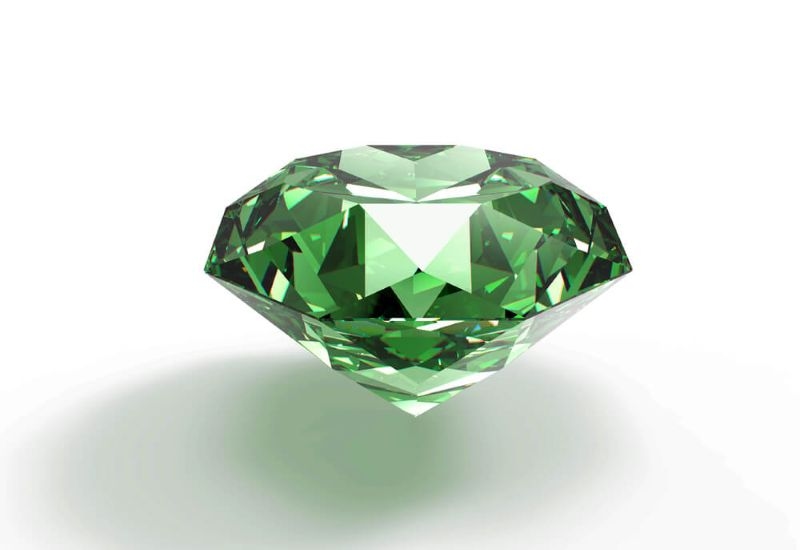
Diamonds have owned the spotlight in jewelry for years. They’ve always meant luxury and promise—almost everyone grew up seeing them as the ultimate symbol of love or success. But lately, things are changing. Step into a jewelry store or just look at what’s trending online, and you’ll see it’s not just diamonds catching everyone’s eye anymore. Its color.
Suddenly, vivid sapphires, lush emeralds, and deep red rubies are everywhere. People are looking for jewelry that feels more personal and less like a cookie-cutter tradition. So, it’s no surprise that colored gemstone jewelry is turning heads and sparking conversations in 2026.
So, what’s behind this shift? Let’s break it down.
Everyone wants something unique these days. Buyers aren’t reaching for the same old pieces just because that’s what’s “proper.” Now, jewelry is about personality, stories, and sometimes, values. That’s where colored gemstones stand out.
Color adds real emotion to a piece—something diamonds can’t always do on their own. Blue sapphires feel calm and royal. Emeralds are fresh and bold. Rubies? All intensity. These stones connect to feelings and moments.
Jewelry has become a way to say something about yourself, not just to show you’re following tradition. When you pick a colored gem, you’re picking a vibe—a story, a little piece of memory.
People are tired of standard designs, especially for engagement rings. The long reign of the diamond solitaire is finally facing some competition. Buyers want something that’s theirs—not another ring just like everyone else’s.
That’s why alternative gemstones are getting more love. They give you options to customize, and they let your creativity shine.
Don't Miss: Natural vs. Lab-Grown Gemstones: What’s the Real Difference?
Sapphires are suddenly everywhere, and honestly, it makes sense. They’re strong, they last, and you can do so much with them.
Sapphires are tough enough for everyday wear, which makes them perfect for engagement rings. They don’t just come in blue—you can find them in pink, yellow, even white—so you’re not stuck with standard designs.
Couples today are rewriting the rules. They care more about what feels right than what tradition says. With sapphires, they get classic good looks and a custom touch—and a lower price than a diamond of the same size doesn’t hurt either.
Emeralds don’t have to draw attention. They just do. That deep green stands out all on its own.
Emeralds are catching on because they don’t play it safe—they stand out, but not in a way that’s over the top. There’s a richness to them that works with everything, whether the look is modern or vintage-inspired.
Designers love emeralds for bold rings, layered necklaces, and statement pieces. And they’re always the center of attention.
Emeralds are softer than diamonds, so you might need to be a little more careful with them. But honestly, that doesn’t seem to put people off—it actually makes owning them feel special. It’s jewelry you treasure, not just toss on.
Rubies aren’t new, but they’re getting a serious revival. And it’s pretty easy to see why.
Red is all about passion and energy, and rubies wear those qualities proudly. When someone chooses a ruby, it’s not by accident. They want that bold statement.
Designers are mixing things up—pairing rubies with simple, modern settings or mixing metals to show off the stone’s warmth. This clash of old and new keeps rubies fresh and relevant.
Suggested Reading: Spring 2025 Diamond Jewelry Trends Shaping Bridal Fashion
Diamonds are no longer the automatic choice. That’s the real surprise. More buyers are exploring alternatives—and they’re confident about it.
Think moissanite, morganite, aquamarine, tourmaline, and opal—each one with its own color, story, and price range.
First off, cost. Many alternative gemstones fit more budgets than diamonds do. Next, uniqueness—these stones aren’t everywhere, so your jewelry feels truly personal. Buyers also care more about ethics and sourcing these days—colored stones sometimes give better options there.
People aren’t just comparing sparkle anymore—they’re talking durability, price, and how the piece makes them feel.
Diamonds are still the hardest stone out there, and they last. But sapphires and rubies are sturdy too—totally fine for daily wear, for most people.
Diamonds definitely get pricier, especially as they get bigger. With colored gemstones, you usually get more size and pop for the same price.
Gemstones bring personality and energy. Diamonds will always be timeless, but colored stones feel lively and expressive—and that’s what buyers want now.
Trends don’t happen in isolation. They spread through visibility. And social media plays a big role here.
Instagram and Pinterest are full of unique jewelry designs. People see non-traditional rings and start considering them seriously. It’s no longer unusual to see a green or blue engagement ring.
In fact, it’s becoming expected.
When a celebrity flashes a new sapphire or emerald ring, everyone notices. It shifts the idea of what’s “right” or “normal” in jewelry—and that ripple affects trends fast.
Also Read: Top Jewelry Trends 2025: Must-Have Styles for Every Look
The rise of colored gemstone jewelry trends is not just a passing phase. It reflects a bigger change in how people think about jewelry. Buyers want meaning. They want individuality. They want pieces that feel personal, not predictable.
Diamonds still have their place. They always will. But gemstones are offering something different. Something more expressive, more flexible, and often more accessible. And that’s why in 2026, the spotlight is no longer limited to diamonds. It’s shared with color, character, and choice.
It depends on sourcing. Some colored gemstones are mined under better conditions, but not all. Many buyers look for certified ethical sourcing regardless of the stone type.
Some gemstones, like high-quality sapphires and rubies, can retain value well. However, resale value often depends on rarity, quality, and market demand rather than just the type of stone.
Yes, many couples now include gemstones in wedding bands. They can be set as accents or as the main feature, depending on the design and durability of the stone.
Absolutely. Gemstones like black onyx, sapphire, and even emerald are increasingly used in men’s rings, cufflinks, and bracelets for a bold yet refined, modern masculine style.
This content was created by AI